Consolidate Credit Card Debt in 2026: Save Your Score
Consolidate Credit Card Debt in 2026 Without Ruining Your Score
If you are staring at a stack of credit card bills and wondering how the balances got so high, you are far from alone. According to the Federal Reserve Bank of New York (2025), Americans reached the fourth quarter carrying an unprecedented $1.277 trillion in credit card debt. That is a massive 66 percent jump since early 2021.
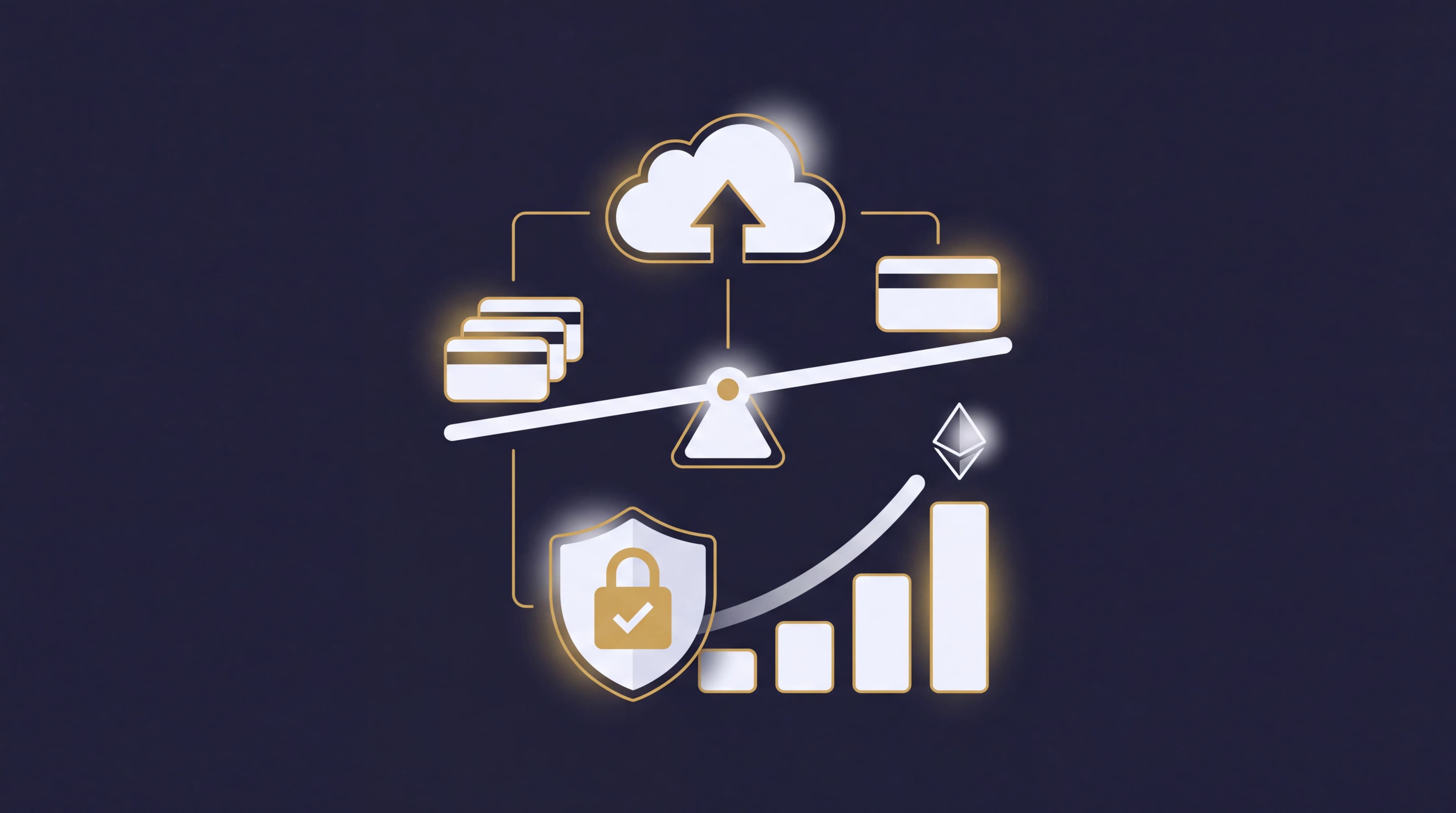
You might be paying 22 percent interest or more on those balances. At those rates, making minimum payments feels like trying to empty a swimming pool with a teaspoon. Debt consolidation — the process of combining multiple high-interest balances into a single, lower-interest payment — offers a logical way out. If you are wondering how to consolidate credit card debt in 2026, the answer is straightforward: you can safely combine your balances by using a 0 percent balance transfer card, taking out a personal loan, or entering a debt management plan.
But I often hear the same hesitation from people who desperately need to consolidate. They are terrified that moving their debt around will destroy their credit score.
The truth is much less scary. When you consolidate debt strategically, the impact on your credit is usually temporary. In fact, most people see their scores go up over time. Let us look at the real math behind debt consolidation in 2026 and how you can protect your financial standing while getting out of the interest rate trap.
Why Credit Card Debt Balances Are Growing in 2026
Rising credit card balances are primarily driven by the increased cost of essential living expenses, not reckless spending. Before we fix the problem, it helps to understand why it is happening. There is a common misconception that credit card debt comes from irresponsible shopping sprees. The data tells a completely different story.
According to industry research (2025), roughly 73 percent of credit card balances nationwide come from essential expenses. We are talking about car repairs, medical bills, and groceries. When inflation pushes the cost of living higher than your paycheck can stretch, credit cards become a necessary bridge. This is a major reason why we are seeing a widespread credit card maxing crisis where 46 percent of cardholders carry a balance from month to month.
The average credit card debt for those with unpaid balances hit $7,886 in late 2025. Generational pressures make this even heavier for some. Generation X carries the highest average burden at $9,600. Millennials are not far behind at $6,961.
The real enemy here is the interest rate. The average annual percentage rate (APR) for cards accruing interest sat at a painful 22.30 percent at the end of 2025. If you have a $5,000 balance at 21 percent and only make minimum payments, it will take you 42 months to pay it off. You will also hand over nearly $3,600 in interest to the bank.
The bottom line: High inflation combined with average APRs exceeding 22 percent makes minimum payments mathematically impossible for many to overcome, making consolidation a necessary survival tool.
How Consolidating Debt Impacts Your Credit Score
Consolidating your debt typically causes a minor, temporary drop in your credit score followed by a significant long-term increase. The fear that consolidation will ruin your credit score prevents many people from taking action. Let us break down exactly how credit scoring models like FICO and VantageScore view debt consolidation.
When you apply for a new loan or a balance transfer card, the lender checks your credit. This creates a hard inquiry — a formal credit check by a lender that temporarily lowers your score by a few points. It is a minor ding that fades quickly.
Opening a new account also lowers the average age of your credit history. This accounts for about 15 percent of your FICO score. If you only have a few credit accounts, you might see a slightly larger temporary drop than someone with a decades-long credit history.
But here is where the magic happens. Credit utilization — the ratio of your credit card balances to your total available credit limits — makes up a massive 20 to 30 percent of your FICO score.
When you use a personal loan to pay off three maxed-out credit cards, your revolving credit utilization instantly drops to zero. That dramatic improvement almost always outweighs the minor penalties from the hard inquiry and the new account.
According to TransUnion (2025), borrowers actually see an average credit score improvement of about 18 points at the time their consolidation loan originates. If you want to dive deeper into how these different factors interact, reviewing how to understand and improve your credit score can give you a clearer picture of your specific situation.
Here's what this means: The massive benefit of lowering your credit utilization ratio almost always outweighs the tiny penalty of a new hard inquiry, making consolidation a net positive for your credit score.
Option 1: Use a 0 Percent Balance Transfer Credit Card
A balance transfer credit card is the most cost-effective consolidation method for borrowers with good to excellent credit.
A balance transfer card — a credit card that offers a promotional 0 percent interest rate on transferred debts for a set period — usually gives you a window of 12 to 18 months. You transfer your high-interest balances to the new card and pay absolutely no interest while the promotion lasts. Every dollar you send goes straight toward the principal.
There are a few catches to keep in mind. Most balance transfer cards charge a one-time fee of 3 to 5 percent of the amount you transfer. If you move $10,000, you will pay a $300 to $500 fee upfront. You need to calculate if the interest you save over the next year is higher than that fee. Usually, it is.
From a credit score perspective, this option is generally safe. You get the hard inquiry from applying, but because balance transfer cards often come with high limits, your overall credit utilization usually improves.
The biggest risk is behavioral. If the promotional period ends and you still have a balance, the interest rate will shoot up to the standard rate. That standard rate could easily be 24 percent or higher. You have to be aggressive about paying off the debt before the clock runs out.
The bottom line: Balance transfer cards are perfect if you have strong credit and can aggressively pay off the debt before the promotional period expires.
Option 2: Get a Personal Debt Consolidation Loan
Personal loans provide a fixed payoff timeline and lower interest rates, making them ideal for borrowers who need structured monthly payments.
A personal loan — an unsecured loan that gives you a lump sum of cash to pay off debts, which you repay in fixed monthly installments — usually lasts over two to seven years. You use that cash to pay off all your credit cards immediately.
Personal loans currently offer interest rates ranging from 7 to 12 percent for well-qualified borrowers. While that is not 0 percent, it is a massive improvement over a 22 percent credit card. If you consolidate a $10,000 balance from 21 percent down to a 12 percent personal loan over five years, you will save roughly $2,885 in total interest.
Personal loans are fantastic for your credit score in the long run. They convert revolving debt (credit cards) into installment debt (loans). This improves your "credit mix," which accounts for about 10 percent of your FICO score. Lenders like to see that you can handle different types of debt responsibly.
More importantly, personal loans give you a clear finish line. You know exactly how much you have to pay each month and exactly when you will be debt-free.
Here's what this means: A personal loan converts revolving credit card debt into installment debt, which saves you thousands in interest and actively improves your credit mix.
Option 3: Enroll in a Debt Management Plan (DMP)
Debt management plans offer a lifeline for borrowers with lower credit scores who cannot qualify for traditional consolidation loans. If your credit score has already taken a hit and you cannot qualify for a 0 percent card or a low-rate personal loan, you still have options.
A Debt Management Plan (DMP) — a program set up through a nonprofit credit counseling agency to negotiate lower interest rates and consolidate payments — allows you to make one single monthly payment to the agency, and they distribute the money to your creditors. The agency negotiates with your credit card companies to lower your interest rates and waive penalty fees.
These plans usually take three to five years to complete. The agencies typically charge a modest monthly fee of around $40.
A DMP does not require a hard credit check or a new loan. However, you will be required to close your credit card accounts, which will temporarily hurt your credit score by reducing your available credit. But if you are drowning in payments, taking a temporary score drop is absolutely worth getting your finances back under control. If you feel like you are at rock bottom, learning strategies to pay off debt from zero is a great place to begin.
The bottom line: While a DMP requires closing your credit cards, the temporary credit score drop is entirely worth it to escape unmanageable debt and avoid bankruptcy.
The Hidden Trap of Debt Consolidation
Debt consolidation only works long-term if you change the spending habits that caused the debt in the first place. Here is the most important statistic in this entire guide.
According to TransUnion (2025), about 57 percent of borrowers return to their pre-consolidation credit card balance levels within 18 months.
They pay off their cards with a loan, feel a massive sense of relief, and then slowly start using the cards again. Suddenly, they have a monthly personal loan payment plus new credit card payments. This is a financial disaster.
Debt consolidation changes the math, but it does not change your behavior. If you do not fix the leaks in your budget, the boat will sink again.
When you pay off your credit cards with a consolidation loan, do not close the accounts completely. Closing them lowers your available credit and hurts your credit score. Instead, lock the physical cards in a drawer. Delete the card numbers from your phone wallet and your Amazon account. You can even call the issuer and ask them to freeze the card. You want the account open for your credit score, but inaccessible for your daily spending.
You also need a cash buffer. Lack of savings is the primary driver of credit card debt. If your car breaks down and you have zero cash, you will pull out that credit card again. Figuring out how to quickly build a $1,000 emergency fund should be your immediate priority the moment your consolidation goes through.
Here's what this means: You must lock away your cleared credit cards and build a cash buffer so you do not rely on debt for future emergencies.
How to Choose the Best Debt Consolidation Strategy
Selecting the right consolidation method depends entirely on your current credit score, total debt volume, and financial discipline. Making the right choice requires looking closely at your specific numbers.
Assess Your Credit Score
First, check your credit score. If you are in the 720 or higher range, look for a 0 percent balance transfer card with a low transfer fee. Just make sure you can realistically pay off the balance before the promotional period ends.
If you have a score in the 650 to 719 range, a personal loan is likely your best bet. You will lock in a fixed payment and a clear timeline.
If your score is below 650, you might struggle to find a loan with an interest rate lower than your current credit cards. In that case, reach out to a nonprofit credit counseling agency to discuss a Debt Management Plan.
Compare Loan Terms and Math
When you start shopping for a personal loan, try to do all your rate-checking within a two-week window. Credit scoring models are smart enough to know you are rate shopping. If you apply for three personal loans within 14 days, the credit bureaus will typically group those hard inquiries together and count them as a single hit to your score.
Finally, do the math. Use a free online debt consolidation calculator. Enter your current balances, your current interest rates, and the terms of the new loan. Look closely at the total interest paid over the life of the loan. Sometimes, extending a loan out to seven years lowers your monthly payment but actually costs you more in total interest than just aggressively paying off the credit cards.
The bottom line: Consolidating your debt is a brilliant financial move when executed correctly, and any temporary credit score dip is a small price to pay for financial freedom.
Common Questions
How does debt consolidation affect my credit score?
Debt consolidation typically causes a minor, temporary drop in your credit score due to a hard inquiry, followed by a long-term increase. By lowering your credit utilization ratio, your score will naturally improve as you pay down the consolidated balance.
What is the best way to consolidate credit card debt?
The best way to consolidate credit card debt depends on your credit score. Borrowers with excellent credit should use a 0 percent balance transfer card, while those needing a longer, fixed repayment schedule should opt for a personal loan.
When should I consider a debt management plan?
You should consider a debt management plan when your credit score is too low to qualify for a balance transfer card or a low-rate personal loan. It is an ideal solution if you are overwhelmed by minimum payments and need professional help negotiating lower interest rates.
Why do people fail after consolidating their debt?
People often fail after consolidating debt because they continue to use their newly cleared credit cards without having an emergency cash fund. This leads to accumulating new credit card balances on top of their new consolidation loan payment.
Your One Next Step
Log into your bank or use a free credit monitoring service to check your exact credit score today. Write that number down next to the total amount of credit card debt you currently owe. Having these two precise numbers in front of you is the mandatory first step before you can accurately compare balance transfer cards or personal loans.
Your Money. Your Terms.
Listen to this article
AI-generated audio · Voices by ElevenLabs
Get the 2026 Wealth Starter Kit
Free spreadsheet budget models, 2026 tax deduction checklists, and weekly practical playbooks. No spam, no affiliate shills.

Sammy Dynamo
Software Engineer | CS Student | Technopreneur, Dyxium Inc
Related Articles
13 min read
Debt & CreditCan’t Pay Credit Card Minimums? What to Do Now
If you can’t pay credit card minimums, you are not alone. Over 10% of accounts are...
Sammy Dynamo
11 min read
Debt & CreditHELOCs in 2026: Tap Home Equity for Debt or Big Goals?
With average HELOC rates near 7.4% in 2026, tapping home equity to pay off debt or...
Sammy Dynamo
10 min read
Debt & Credit2026 Student Loan Changes – How They Impact Your Budget
Upcoming student loan changes will impact your budget as 7 million lose the SAVE plan. Are...
Sammy Dynamo